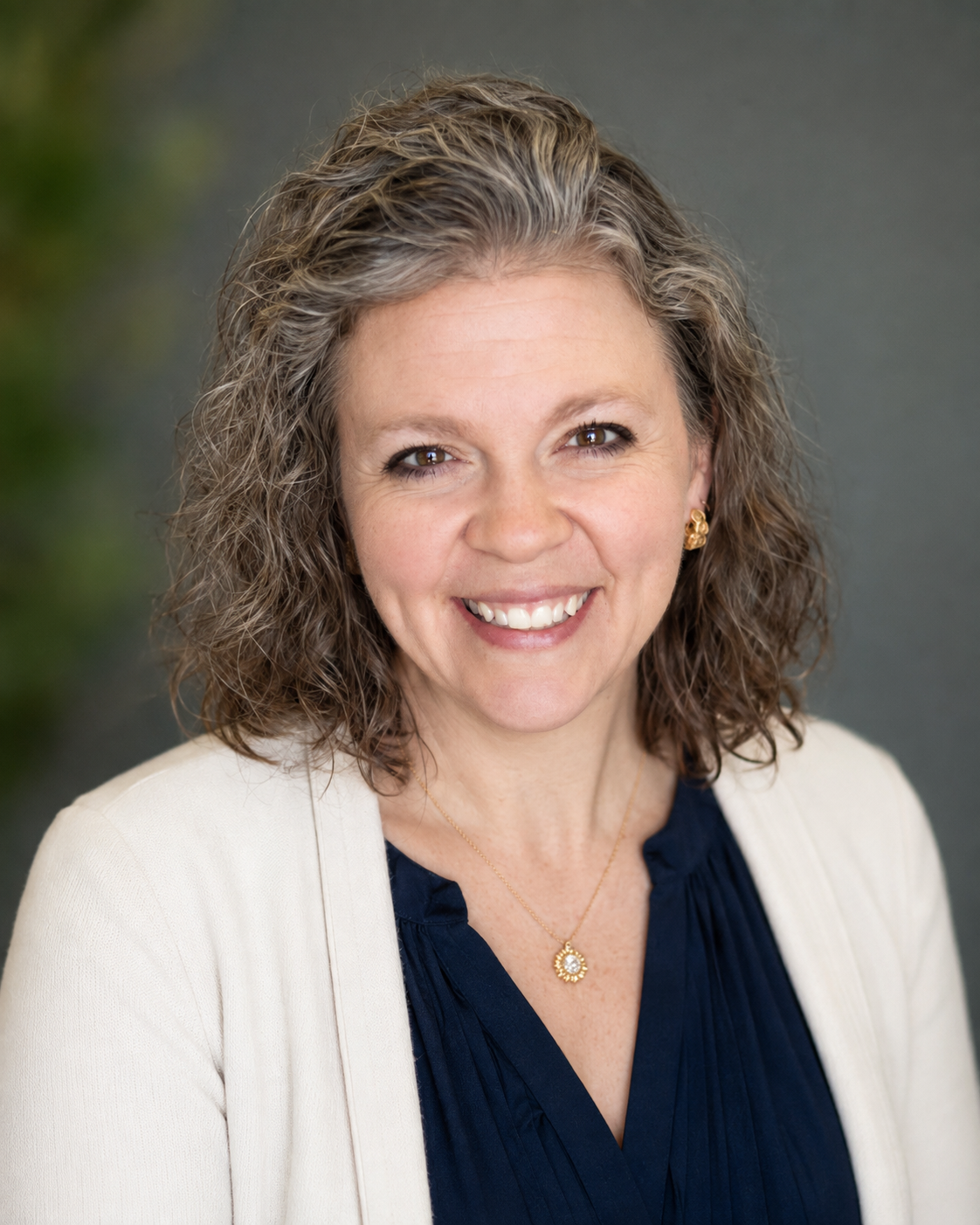
Becky Ruff
Betrayal Trauma Therapist for Women, Couples, and All Adults
APSATS -Certified Partner Specialist LGBTQ-Affirming Serving Utah & Idaho
MS, LCMHC, NCC, CCTP, CCPS
“Always remember: You are Braver than you believe, Stronger than you seem, Smarter than you think, and Loved more than you know.”
Therapist Profile
I bring a fierce belief in the individual strength of spirit into my sessions. With focus on safety, self-compassion, and honesty, I support clients in their journey toward health and healing.
Through trauma-informed counseling, I shine a light in the darkness for those with whom I work. I understand the inner battles that can rage and the victories achievable through healing from betrayal trauma and out-of-control sexual behavior.

I believe that honesty and accountability have healing properties that cannot be underestimated and that everyone can find that healing. I work to teach my clients to trust themselves again and that the answers they seek come from within.
I have been involved with women’s intensives and retreats for years and see the power in connection, laughter, and adventure.
I also host the Rise Up Restored podcast, offering five-minute weekly answers to your most pressing questions about betrayal trauma, infidelity recovery, and grief.
Listen to the Rise Up Restored podcast:
I answer your questions about betrayal trauma, infidelity recovery, and grief in five minutes or less on the Rise Up Restored podcast. New episodes weekly coming soon. Short, clinically grounded answers you can use today.
What I Work With

My practice focuses on a range of interconnected specialties; all viewed through a trauma-informed lens:
Specialty Cluster- Betrayal & Partner Trauma
-Betrayal Trauma
-Partner support for Sex Addiction and Out-of-Control Behavior
-Out-of-Control Sexual Behavior
-Sex Addiction
-Infidelity and Affair Recovery
-Unwanted Pornography Use/ Pornography Addiction
Specialty Cluster- Trauma, PTSD & CPTSD
-Trauma, Post-Traumatic Stress Disorder (PTSD), and Complex Post-Traumatic Stress Disorder (CPTSD)
-Religious Trauma and Faith Transitions
-Abuse- including Sexual Abuse
-Attachment Issues
Specialty Cluster- Emotional & Relational Health
-Relational Distress
-Anxiety & Depression
-Grief & Bereavement
-Emotional Regulation
-Stress Management and Mindfulness
-Self-compassion
Specialty Cluster- Inclusive Care
-LGBTQ+ Affirming Therapy
-Addictions
-Couples of All Configurations
-All Adults Welcome

Education & Certifications
Master of Science in Clinical Mental Health Counseling - University of Phoenix
Graduate-level clinical training in mental health assessment, diagnosis, and treatment planning. Internships and practicum hours completed in community mental health, small and large clinical practice settings.
Licensed Clinical Mental Health Counselor (LCMHC)
State-licensed Clinical Mental Health Counselor with active licensure to practice in Utah and Idaho. Licensure requires completion of a master’s degree, supervised clinical hours and passage of the National Clinical Mental Health Counseling Examination (NCMHCE), and other requirements.
National Certified Counselor (NCC)
Certification through the National Board of Certified Counselors. The NCC credential represents a national standard of professional excellence in counseling and requires ongoing continuing education and adherence to ethical standards.
Certified Clinical Trauma Professional (CCTP)
Advanced certification demonstrating specialized training in trauma assessment and treatment. The CCTP credential signifies competency in working with trauma survivors using evidence-based, trauma-informed approaches.
Certified Clinical Partner Specialist- (CCPS) through APSATS
The most rigorous certification available for therapists working with betrayed partners. The Association of Partners of Sex Addicts Treatment Specialists training is the gold standard for partner trauma care, representing advanced coursework in: Partner trauma neurobiology, Disclosure and disclosure trauma (D-Day), Trust rebuilding and accountability structures, Somatic interventions for betrayal trauma, Boundary setting and self-protection, Empowerment-based decision making.

Trained in EMDR and Brainspotting therapies, Psychodrama, Experiential, and Somatic Modalities
EMDR and Brainspotting therapies: Evidence-based therapy specifically designed to help the brain reprocess traumatic memories. They are particularly effective for trauma that feels “stuck” - like intrusive images, flashbacks, and persistent emotional flooding after betrayal.
Psychodrama & Experienctail Modalities: Action-based approached that help clients explore emotional experiences experiences through things like guided role-play, enactment, and creative expression. These methods can access and process emotions that talk therapy alone cannot reach.
Somatic Modalities: Somatic therapy approaches the work directly with the body to process trauma. Betrayal trauma lives in the nervous system - the hypervigilance, the sleep disruptions, the physical tension. Somatic work helps release what talk alone cannot.
Professional Memberships & Affiliations
Active membership in these professional organizations keeps me connected to peer consultation, ongoing education, and the ethical standards that guide my specialized work.
Utah Mental Health Counselors Association (UMHCA)- The state-level professional organization for licensed clinical mental health counselors in Utah. My membership keeps me connected to local peers for case consultation and ensures I stay current on ethical standards and legislative developments affecting mental health access in our state.
Associations of Sex Addicts Treatment Specialists (APSATS)- The leading international organization dedicated to training and certifying therapists who work with betrayed partners. As a certified member, I have completed advanced clinical training in partner trauma and maintain ongoing consultation with partner specialists worldwide, ensuring my practice stays current with emerging best practices in betrayal trauma recovery.
LGBTQ-Affirmative Psychotherapist Guild of Utah- A collective of mental health professionals committed to providing affirming, inclusive care to LGBTQ+ individuals and families. Membership requires ongoing engagement with LGBTQ-affirming training and connects me to a network of providers who honor gender identity and sexual orientation in all aspects of care.
Mormon Mental Health Association- A professional organization supporting the well-being of Latter-day Saints across the many spectrums of belief and those navigating faith transitions. Given the frequent intersection of religious trauma and betrayal trauma for many clients in Utah, this affiliation connects me to colleagues and resources that understand the unique complexities of faith-based wounds.
Women in Private Practice Utah- A peer support network for women therapists building independent practices. This community provides business mentoring and resources that help me maintain a sustainable practice—so I can continue showing up fully for my clients without burning out.
Why I Do This Work

I have always wanted to become a betrayal trauma specialist. Like many therapists, I started with a broader interest in trauma and relationships. And over time, I had noticed a pattern: clients coming to me after discovering infidelity or their partner's secret sexual behavior were experiencing something distinctly different from general relationship distress.
Clients weren’t just heartbroken. They were traumatized - physiologically, cognitively, emotionally. Sleepless nights. Intrusive images. Hypervigilance. A pervasive sense that reality itself had shifted beneath their feet. Traditional counseling wasn't helping — in some cases, it was making things worse by pushing for reconciliation without adequate stabilization first.
I also saw how isolated they felt. There weren't many resources tailored specifically to the partner's experience. Most sex-addiction and out-of-control sexual behavior materials focused on the addicted person's recovery, leaving the betrayed partner to heal in the shadows. Support groups were sparse. And therapists who understood partner trauma? Hard to find.
I knew I wanted to be part of changing that.
When I discovered APSATS, I found what I'd been looking for: a rigorous framework for understanding partner trauma, a community of clinicians doing this specialized work, and a model that centered the betrayed person's healing independently of their partner's recovery. That independence — the idea that your healing doesn't wait on theirs — became a cornerstone of my practice.
Today, every client I see benefits from that training. Whether you're a woman in the first hours of discovery, an LGBTQ+ partner searching for an affirming specialist, a couple attempting repair, or someone carrying grief that feels too heavy to hold alone — you get that specialized, trauma-informed, partner-first approach.
An Inclusive, Affirming Practice
I want to be clear about something important: my practice is welcoming and affirming of all adults, including the LGBTQ+ community.
Betrayal trauma doesn't discriminate based on gender identity or sexual orientation. Neither should access to specialized care. The pain of discovering infidelity, the shock of learning your partner has been living a secret sexual life, the grief of realizing you don't know who they really are — none of that depends on whether you're straight, gay, bisexual, queer, non-binary, or anywhere else entirely.
At the same time, I recognize that LGBTQ+ partners face additional layers</strong> that heterosexual partners don't encounter: smaller support networks, fear of judgment from within queer communities, religious trauma layered on top of betrayal, and the difficulty of finding affirming therapists who also understand partner trauma.
Within the APSATS community, the number of therapists who openly serve LGBTQ+ clients is small but growing. As a member of the LGBTQ Affirmative Therapists Guild of Utah, I'm committed to being part of that growth — both in my own practice and by encouraging other partner specialists to become affirming.
If you are queer, lesbian, gay, bisexual, transgender, non-binary, or anywhere on the spectrum, you are welcome here. Your identity is not a complication to be managed. It is part of who you are — and you deserve a therapist who honors that while providing the same specialized, evidence-based care as any other client.
You won't have to explain your relationship. You won't have to translate your experience into heteronormative terms. You won't have to worry about being misgendered or invalidated. This is a space where you can bring all of who you are — and be met with clinical expertise and genuine respect.
For more information, please visit my LGBTQ-Affirming Therapy page.