Can a Marriage Survive Infidelity? What the Research Says (And What Matters More)

Couple sitting apart on a couch considering whether a marriage can survive infidelity and betrayal trauma

The question I hear most often in my office is some version of: "Can we survive this?"

Sometimes it's asked with desperate hope. Sometimes with exhausted resignation. Sometimes with quiet determination. But always with the same underlying fear: Is it even possible?

As an APSATS-certified partner specialist providing couples therapy after infidelity in Utah and Idaho, I've walked alongside many couples through affair recovery. Here's what I can tell you: yes, some marriages survive infidelity. Some even emerge stronger. But not all do — and not all should.

Here's what the research says, what the research misses, and what matters most.


What the Research Says

Studies vary widely, but generally suggest that roughly 40–50% of marriages impacted by infidelity ultimately survive — though "survival" doesn't always mean thriving.

Some couples stay together but never truly heal. Others use the crisis as a catalyst for deeper work and emerge with a fundamentally different (and sometimes better) relationship.

The factors that research consistently identifies as predicting positive outcomes include:

* Full disclosure (rather than trickle truth)

* Genuine remorse from the betraying partner

* Consistent behavioral change over time

* Specialized therapy (not just general marriage counseling)

* Patience with the betrayed partner's timeline

* Mutual commitment to the process

But research has limitations. Statistics can't capture the nuances of your specific situation. They can't account for addiction, compulsive behavior, the depth of deception, or the quality of your relationship before the betrayal.


What the Research Misses: Betrayal Trauma

Most infidelity studies don't account for betrayal trauma. They measure outcomes like "marital satisfaction" and "relationship longevity." They don't track symptoms like intrusive imagery, hypervigilance, dissociation, or nervous system dysregulation.

 This matters because a couple might technically "stay together" while the betrayed partner remains unresolved in their trauma. That's not recovery — that's endurance.

 True affair recovery means the betrayed partner's trauma is fully addressed, not just the relationship's survival. That's why I recommend starting with individual partner therapy before jumping into couples work.


Two hands reaching toward each other, symbolizing rebuilding trust in affair recovery and infidelity counseling with Becky Ruff, an APSATS-certified therapist after betrayal trauma

What Matters More Than Statistics

Forget the percentages for a moment. What actually determines whether YOUR relationship can survive? In my experience, these five factors matter more than any research statistic:

1. Accountability Without Defensiveness

 The betraying partner must take full, unconditional responsibility. No blame-shifting. No "I was stressed." No "you were distant." Just ownership.

 If the betraying partner can't do this — consistently, not just once — the prognosis for repair is poor.

2. Radical Transparency

After betrayal, privacy takes a back seat to safety. Open phone policies, accountability software, shared calendars, and honest communication about whereabouts aren't punishments — they're rebuilding materials.

 A partner who resists transparency is a partner who isn't ready for repair.

3. Respect for the Betrayed Partner's Timeline

Recovery doesn't happen on the betraying partner's schedule. The betrayed partner sets the pace. If the betraying partner pushes for "moving on" before the wounded partner is ready, that's a red flag.

 Healing from betrayal trauma can take 18 months to 3+ years. Patience isn't optional — it's a requirement.

4. Genuine Addiction Treatment (If Applicable)

If the infidelity involves sex addiction, compulsive sexual behavior, or pornography addiction, the betraying partner must be engaged in their own treatment. Addiction doesn't resolve through willpower or love. It requires structured, specialized intervention.

5. The Betrayed Partner's Healing Comes First

Couples therapy too early — before the betrayed partner has stabilized — can be retraumatizing. Individual stabilization is the foundation. Only then can couples work be productive.


When Repair Is Possible

Repair is most likely when:

* The betraying partner is transparent, accountable, and patient

* Both partners are committed to the process

* The betrayed partner's trauma is prioritized

* Addiction (if present) is being actively treated

* There's a willingness to build a "new" relationship rather than restore the old one


The goal isn't to go back to how things were. The old relationship is gone. The goal is to build something new — with better foundations, honest communication, and mutual respect.


When Leaving Is the Healthier Choice

Repair isn't always the right goal. Sometimes the healthiest path is ending the relationship. Consider leaving if:

* The betraying partner refuses accountability or transparency

* There's ongoing deception or relapse without remorse

* Emotional or physical abuse is present

* The betrayed partner has been through multiple disclosure cycles with no change

* Your gut (once stabilized) is telling you this isn't salvageable


Leaving isn't failure. Sometimes it's the bravest, healthiest choice. And grief counseling can help you process the loss.


A Note on LGBTQ+ Couples

Everything I've described above applies equally to LGBTQ+ relationships. Betrayal trauma, infidelity recovery, trust rebuilding — the dynamics are the same regardless of sexual orientation or gender identity.

However, LGBTQ+ couples may face additional layers: smaller support networks, community gossip, religious trauma, and fewer affirming therapists who understand partner trauma. If you're an LGBTQ+ couple navigating infidelity, my LGBTQ-affirming therapy services are here for you.


Frequently Asked Questions About Surviving Infidelity

 Can a marriage really survive infidelity?

Yes — research suggests roughly 40–50% of marriages impacted by infidelity survive, and some emerge with stronger, more honest foundations. But survival depends less on statistics and more on specific conditions: full accountability from the betraying partner, radical transparency, specialized therapy, and respect for the betrayed partner's healing timeline.


How long does it take to recover from infidelity?

Meaningful affair recovery typically takes 18 months to 3+ years with specialized support. The betrayed partner's healing sets the pace — rushing to "move on" before trauma symptoms (intrusive thoughts, hypervigilance, sleep disruption) are stabilized predicts poor outcomes, not faster repair.


Should we do couples therapy right after discovering the affair?

Usually not immediately. The betrayed partner needs individual stabilization first — premature couples work can be retraumatizing. A phased approach (individual partner therapy, then structured disclosure, then couples work) protects the injured partner and produces better outcomes than starting with joint sessions.


Does infidelity always mean the end of a marriage?

No. But it always means the end of the relationship as it was. Couples who recover don't return to the old relationship — they build a new one with deeper honesty, transparency, and mutual respect. Whether that new relationship is built together or apart is a decision only you can make.


The Decision Is Yours

No therapist can tell you whether to stay or leave. My role is to help you gain clarity — not push you toward reconciliation or separation.

 If you're trying to decide, here are some questions to sit with:

 * Is my partner taking full accountability?

* Am I staying out of hope or out of fear?

* Is my nervous system safe in this relationship?

* What would I tell my best friend to do?


You don't have to answer these today. But they're worth sitting with.


Next Steps

Sunrise over the horizon representing hope and a new beginning for marriage after infidelity recovery and betrayal trauma

Whether you're leaning toward repair or leaning toward leaving, you don't have to navigate this alone.

* Explore couples therapy after infidelity

— phased, structured affair recovery

* Read about betrayal trauma therapy for women

— individual healing first

* Schedule a free 15-minute consultation


Related Reading:

* What Is Betrayal Trauma? (And Why It Feels Like Losing Your Mind)

* 7 Things No One Tells You About Being the Partner of Someone With Sex Addiction

7 Things No One Tells You About Being the Partner of Someone With Sex Addiction

Woman alone at night after discovering partner sex addiction, illustrating betrayal trauma for partners

If you've recently discovered your partner's sex addiction, you're probably drowning in information gaps. Therapists say one thing. Support groups say another. Online forums are flooded with conflicting advice. And nobody seems to be telling you what you actually need to know.

I'm an APSATS-certified partner specialist, which means I've spent years working with partners of sex addiction. Here are seven things I wish every partner knew from the start.


1. You Didn't Cause This

This is the hardest truth to accept — and the most important.

Your partner's addiction isn't about you. It's not about your attractiveness, your attentiveness, your sex life, or anything you "failed" to provide.

Addiction is about escape. Escaping uncomfortable feelings. Escaping unresolved trauma. Escaping the pressure of adult responsibility. Escaping shame.

You are not the cause. You cannot be the cure. Your healing doesn't wait on their recovery.

If you're a woman navigating this, you deserve specialized support. [Read more about therapy for women here.](/betrayal-trauma-women-utah)


2. Your Trauma Is Real — Even If They're "Getting Help"

People tend to assume that once the addicted partner starts treatment, everything resolves. That's not how this works.

Your betrayal trauma doesn't disappear because they entered a program. You still experienced the violation. You still deal with the aftermath. You still have your own healing process that moves at your own pace.

Key principle: Your recovery is independent of theirs. [Partner specialist therapy](/sex-addiction-partner-support) centers your experience, not theirs.


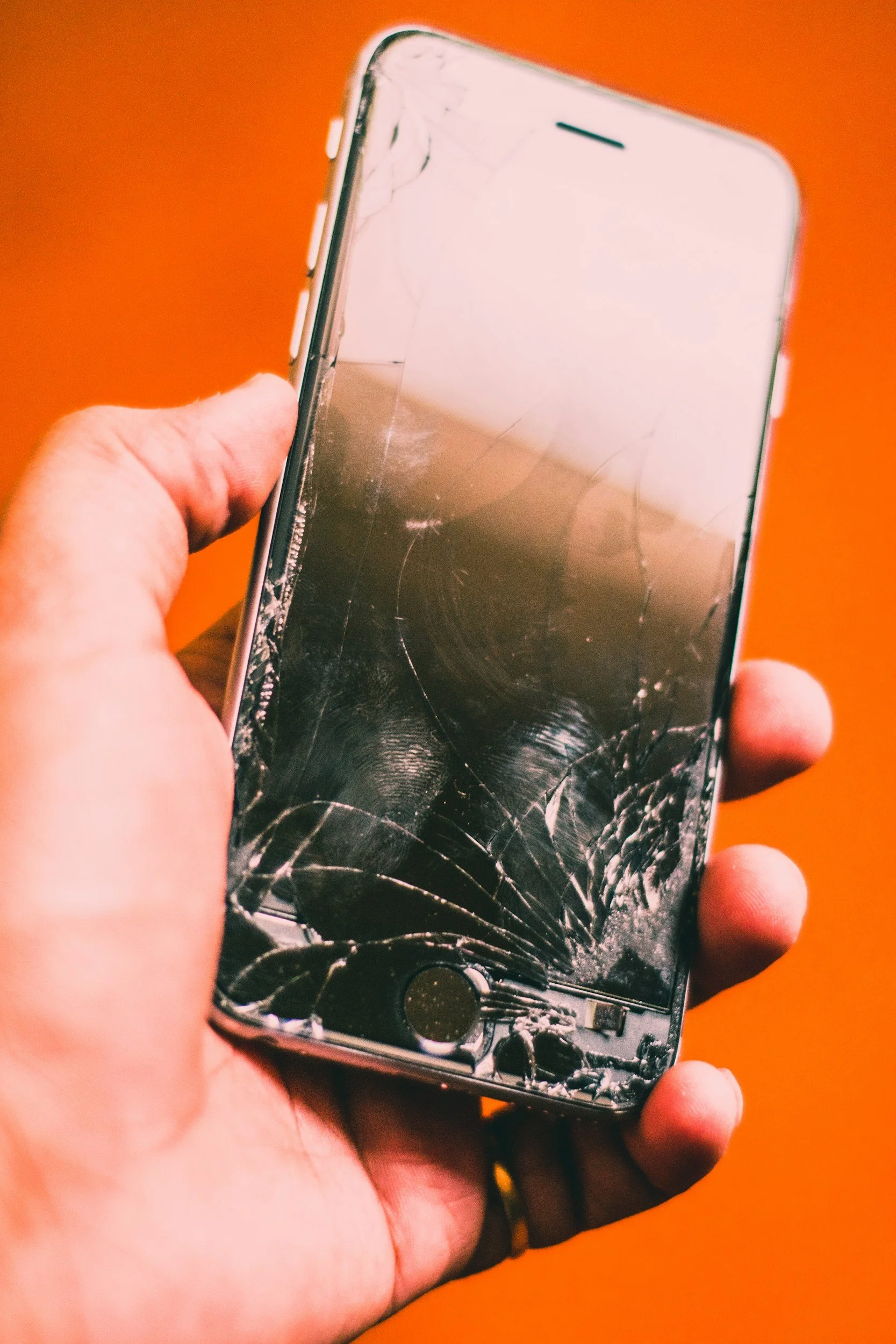
Hand holding phone showing cracked screen, representing trickle truth and repeated disclosures in betrayal trauma

3. "Trickle Truth" Will Hurt More Than the Original Discovery

Most partners experience what we call "trickle truth" — the slow drip of revelations over months or years.

"Oh, and by the way, there was more."

"I forgot to mention..."

"I wasn't going to tell you this..."


Each new revelation resets your trauma clock. Every disclosure feels like the first day all over again.

What to do:

* Request structured disclosure facilitated by a therapist

* Set boundaries around how and when information comes out

* Know that trickle truth is a sign their recovery isn't fully rooted in honesty yet


4. Checking Their Devices Isn't "Controlling" — It's Self-Protection

You might feel guilty for wanting to check phones, computers, or browser histories. Friends or even other therapists may tell you to "just trust them."

But here's the reality: Trust is not a given after betrayal. Trust is rebuilt through transparency.

Checking devices isn't about controlling your partner. It's about protecting your nervous system. When you live in a state of hypervigilance, the only way to calm your brain's alarm system is evidence — proof that, right now, in this moment, things are as they seem.

If your partner pushes back on transparency, that's important data. Accountability software, open phone policies, and location sharing (when mutually agreed upon) are standard in recovery — not punishment, but safety measures.


5. You Are Allowed to Grieve Someone Who Is Still Alive

One of the most confusing aspects of betrayal trauma is the grief.

You might think, "They're still here. We're still in the same house. Why am I mourning?"

But you're not mourning the person sitting across from you. You're mourning the person you thought they were. You're grieving the relationship you believed you had. You're lamenting the future you envisioned that may never come to pass.

This is called ambiguous loss, and it's a core component of betrayal trauma. Your grief is real, even if it doesn't fit the traditional "death" model. [Learn more about grief counseling and processing this type of loss.](/grief-counseling)


6. "Forgiving and Forgetting" Is Not a Healing Strategy

Well-meaning friends, family, or religious leaders may push you toward quick forgiveness. "If you really loved them, you'd forgive." "True forgiveness means putting it behind you."

Let me be direct: rushing forgiveness is a form of bypassing trauma.

Forgiveness is not the goal of early recovery. Stabilization is. Safety is. Truth-telling is. Your healing is.

Forgiveness — if it comes — emerges naturally after a long process of grieving, processing, and witnessing sustained behavioral change. It cannot be forced. It should never be demanded. And it is absolutely not a prerequisite for healing.

If you're considering whether to stay or go, [couples therapy after infidelity](/couples-therapy-infidelity) can help you gain clarity — but only after you've stabilized individually.


7. You Can Heal — Even If They Don't

This is perhaps the most important thing I can tell you: your healing does not depend on your partner's recovery.

You can process the trauma. You can rebuild your self-worth. You can learn to regulate your nervous system. You can make empowered decisions about your future. All of this is possible whether your partner gets sober, relapses, or never acknowledges the problem at all.

Your life is not over. Your story isn't finished. You are not permanently broken.


What to Do Right Now

If you're in the early days, weeks, or months after discovery:

1. Breathe. You're in shock. Everything feels urgent, but the only urgent thing right now is your safety.

2. Don't make major decisions yet. Give yourself time to stabilize before deciding whether to stay, leave, or renegotiate the relationship.

3. Find a specialist. Look for an APSATS-certified partner specialist who understands betrayal trauma — not just addiction. [Explore partner support services here.](/sex-addiction-partner-support)

4. **Download the toolkit.** Grab my free [Betrayal Trauma Recovery Toolkit](/resources) for practical tools to manage acute symptoms.

5. **Listen to the podcast.** [Rise Up Restored](/podcast) offers 5-minute episodes answering common questions about exactly what you're going through.


You Don't Have to Do This Alone

Woman walking a path with warm light ahead, seen from behind

Being the partner of someone with sex addiction or compulsive sexual behavior is isolating. The shame, the secrecy, the feeling that no one understands — it's overwhelming.

But you are not alone. Specialized help exists. Healing is real. And you deserve both.

I'm Becky Ruff, an APSATS-certified partner specialist serving women, couples, and all adults in Utah and Idaho. Whether you're in the first 24 hours or years into this journey, I'm here.


Schedule your free 15-minute consultation


Related Reading:

* What Is Betrayal Trauma? (And Why It Feels Like Losing Your Mind)


Frequently Asked Questions About Being the Partner of Someone With Sex Addiction


Is my partner's sex addiction my fault?

No. Your partner's compulsive sexual behavior is not caused by your appearance, your sex life, or anything you "failed" to provide. Addiction functions as an escape mechanism — from uncomfortable feelings, unresolved trauma, or shame — that develops independently of the relationship. You did not cause it, and you cannot cure it.


Can I heal even if my partner never enters recovery?

Yes. As an APSATS-certified partner specialist, I treat the betrayed partner's trauma as its own clinical issue, completely independent of the addicted partner's treatment. Stabilization, grief processing, and rebuilding self-worth are all possible whether your partner gets sober, relapses, or never acknowledges the problem.


What should I do in the first days after discovering my partner's sex addiction?

Prioritize safety and stabilization: don't make major relationship decisions, don't demand an unstructured full disclosure, find one safe person to tell, and schedule a consultation with a partner specialist trained in betrayal trauma.


How do I find a therapist who understands betrayal trauma?

Look for an APSATS-certified partner specialist (CCPS) — a therapist with advanced training in the partner trauma model, nervous system regulation, and betrayal-specific care, rather than general couples counseling.

What Is Betrayal Trauma? (And Why It Feels Like Losing Your Mind)

Sad woman sitting by a window reflecting the emotional pain and grief of betrayal trauma in women and partners

If you're reading this, you probably woke up this morning with images in your head that won't go away. You're checking your partner's phone even though you promised yourself you wouldn't. You're replaying conversations, looking for signs you missed. You're sleeping three hours a night, staring at the ceiling, wondering if anything you believed was ever real.

And you're starting to wonder: "Am I going crazy?"

The short answer: No. You're not crazy. You're experiencing betrayal trauma — and the symptoms feel exactly like losing your mind because your nervous system is responding to a profound violation.

What Is Betrayal Trauma?

Betrayal trauma occurs when someone you depend on for safety, security, and trust violates that trust in a way that threatens your emotional, psychological, or physical well-being.

In the context of relationships, this usually means:

* Discovering infidelity (sexual or emotional affairs)

* Learning your partner has a secret life involving sex addiction, pornography addiction, or compulsive sexual behavior

* Finding out your partner has been engaging in out-of-control sexual behavior without your knowledge or consent

* Experiencing financial deception, lying about whereabouts, or hidden relationships that shatter your sense of reality

The defining factor isn't the behavior itself — it's the betrayal. The person you trusted most became a source of threat. And your brain treats threats as life-or-death situations.

Foggy forest path at dawn symbolizing betrayal trauma recovery and healing journey at Resilient Light Counseling Utah

Why It Feels Like Losing Your Mind

Here's what most people don't understand about betrayal trauma: it rewires your nervous system.

Your brain has a threat-detection system designed to keep you safe. When your partner — the person you've built your life with — becomes the source of danger, your brain doesn't know how to process that. So it goes into hyper-alert mode.

You're not imagining the intensity of what you're experiencing. Your body is literally flooding with stress hormones (cortisol, adrenaline) as if you're in physical danger. The intrusive thoughts, the hypervigilance, the sleep disruption — these aren't signs of weakness. They're trauma responses.

Common Betrayal Trauma Symptoms

* Intrusive imagery: Unwanted mental pictures of your partner with someone else

* Hypervigilance: Constantly scanning for lies, checking devices, analyzing behaviors

* Sleep disruption: Insomnia, nightmares, waking at night in panic

* Dissociation: Feeling detached from yourself or reality

* Emotional flooding: Sudden waves of anger, despair, or numbness

* Obsessive thinking: Can't stop ruminating on what happened

* Physical symptoms: Chest tightness, headaches, digestive issues, fatigue

* Self-doubt: Questioning your sanity, perception, and worth

If this resonates, you're experiencing something real. And you're not alone.

How Betrayal Trauma Differs From "Regular" Heartbreak

Heartbreak is painful. Betrayal trauma is traumatic.

The difference matters. Heartbreak can often be processed with talk therapy, support from friends, and time. Betrayal trauma requires trauma-informed care — specialized approaches that understand how violation affects your nervous system.

Regular therapy might tell you to "process your feelings" and "move forward." Betrayal trauma therapy starts with stabilization, safety, and understanding why your brain is stuck in fight-or-flight mode.

The Impact on Women Specifically

Women experience betrayal trauma in unique ways:

* Social pressure: "Save the family," "forgive and forget," "don't make him look bad"

* Financial dependency: Fear of economic instability if the relationship ends

* Maternal guilt: Concerns about impact on children

* Identity collapse: Who am I if I'm not a wife/mother in a stable family?

* Spiritual wounds: Some religious communities that prioritize keeping marriages over protecting victims

These layers compound the trauma. They're not obstacles to overcome — they're realities that specialized therapy must address.

If You're LGBTQ+...

Betrayal trauma doesn't discriminate based on identity. But the experience can be more complicated for LGBTQ+ partners.

* Smaller support networks mean fewer people who "get it"

* Community overlap creates isolation (mutual friends, shared spaces)

* Religious trauma may already exist from prior rejection

* Few therapists who are both trauma-trained and LGBTQ-affirming

The good news: Specialized, affirming care exists. [Learn more about LGBTQ-affirming betrayal trauma therapy here.]

When to Seek Professional Help

Consider professional support if you're experiencing:

* Inability to function in daily life (work, parenting, basic tasks)

* Persistent sleep disruption (more than 2–3 weeks)

* Intrusive thoughts that won't subside

* Thoughts of self-harm or hopelessness

* Using substances to cope

* Feeling "stuck" in shock for months

You don't have to hit rock bottom to deserve help. If you're hurting, support is available.

What Kind of Help?

General counseling may help, but betrayal trauma benefits from specialized care. Look for:

* APSATS-certified partner specialists: Trained specifically in betrayed partner trauma

* Trauma-informed therapists: Understand nervous system responses, not just emotions

* LGBTQ-affirming practitioners: Especially important if you're queer or non-binary [see my LGBTQ-affirming services here]

If you're primarily focused on therapy for women, I offer specialized betrayal trauma therapy for women in Utah and Idaho.

Healing Is Possible

Golden sunrise breaking through clouds, symbolizing hope and healing after betrayal trauma on the recovery journey

I know it doesn't feel like it right now. The shock is too fresh. The pain is too raw. The images won't stop playing in your head.

But healing from betrayal trauma is possible. Not by pretending it didn't happen. Not by "getting over it." But through trauma-informed care that helps your nervous system regulate, your grief get witnessed, and your identity rebuild stronger than before.

You survived the discovery. Now you deserve support to navigate the aftermath. 

Ready to Talk?

You don't have to figure this out alone. I'm accepting new clients for in-person and telehealth sessions in Utah and Idaho.

* Schedule your free 15-minute consultation

* Listen to Rise Up Restored podcast


You've taken the hardest step already: reaching out. The rest can wait.