Pornography Addiction and Betrayal Trauma: Why It Hurts Just as Much

Woman looking away from her reflection in a mirror, representing self-worth wounds and betrayal trauma after discovering pornography addiction

"It's just porn."

"At least he wasn't cheating."

"All guys look at it."

If you've discovered your partner's secret pornography use, you've probably heard some version of these dismissals. Friends, family, and even some therapists minimize the impact of pornography addiction on partners.

 But if you're reading this, you know the truth: it hurts just as much. And your betrayal trauma is real.

As an APSATS-certified partner specialist in Utah and Idaho, I work with women and LGBTQ+ partners who are healing from pornography-related betrayal trauma. Here's why it hurts — and why your pain is valid.


Why Pornography Betrayal Hurts Just as Much as Infidelity

Let's be clear: pornography addiction can cause the same level of betrayal trauma as physical infidelity. Here's why:

1. The Betrayal Is in the Secrecy

The trauma isn't about the pornography itself — it's about the secrecy, lying, and gaslighting that accompanies it. When your partner looks you in the eye and says "nothing is going on" while leading a secret life, your sense of reality shatters.

The lie is the betrayal. Not the pixels.

 2. Your Nervous System Doesn't Know the Difference

 Your brain's threat detection system doesn't distinguish between "he looked at images" and "he was with another person." What it registers is: The person I trusted is not who I thought they were. My safety is compromised.

The cortisol spike, the insomnia, the intrusive imagery — all of it is real, physiological trauma.

3. Body Image and Self-Worth Devastation

For many women, discovering pornography use triggers an immediate comparison spiral: Am I not enough? Am I not attractive? Do I not matter?

This is a trauma response, not a vanity issue. Your partner's behavior feels like a direct attack on your femininity and desirability — even though it has nothing to do with you.

4. The "Trickle Truth" Cycle

Pornography addiction often involves escalating disclosure over months or years. First, it was "just occasionally." Then it was "more than I admitted." Then it was "different content than I said." Each revelation resets the trauma clock.


What Pornography Betrayal Trauma Looks Like

The symptoms of pornography-related betrayal trauma mirror those of infidelity:

* Intrusive imagery: Wondering what they were looking at, comparing yourself to images

* Hypervigilance: Checking devices, scanning browser histories, monitoring alone time

* Sleep disruption: Insomnia, nightmares, waking at night in panic

* Self-doubt: Questioning your attractiveness, your worth, your sanity

* Grief: Mourning the relationship you thought you had

* Isolation: Feeling unable to tell friends or family because "it's just porn"

* Shame: Feeling embarrassed that you're this upset about "just porn"

* Anger: Rage at your partner for choosing pixels over partnership

If this resonates, you're not overreacting. You're experiencing betrayal trauma.


Why It's Minimized — and Why That's Wrong

Phone glowing in a dark bedroom, symbolizing secret pornography use and the betrayal trauma of secrecy

The cultural narrative around pornography minimizes partner impact:

* "It's normal": A behavior being normalized doesn't mean it isn't harmful

* "At least he wasn't cheating": Secret sexual behavior IS a form of cheating

* "All guys do it": Normalization doesn't equal consent

* "You're being controlling": Wanting honesty and transparency isn't controlling

When your pain is minimized, the grief becomes disenfranchised — unrecognized and unsupported. This makes healing harder, not easier.


The Escalation Factor

Pornography addiction is rarely static. It tends to escalate:

* Frequency increases

* Content intensity escalates

* Escalation to live interactions (cams, chats, OnlyFans)

* Escalation to in-person encounters

* Financial costs escalate (paid subscriptions, gifts, etc.)

This escalation means that what starts as "just looking" can progress to behaviors that involve real people and real money — deepening the betrayal.


Frequently Asked Questions About Pornography Addiction and Betrayal

Is pornography addiction really a form of cheating?

If it was secret, it violated the agreed terms of your relationship — and yes, secret sexual behavior is a form of betrayal. Partners of secret pornography users experience the same betrayal trauma symptoms as partners of physical affairs: hypervigilance, intrusive imagery, sleep disruption, and grief. The secrecy and deception — not the specific behavior — is what causes the trauma.

Why does discovering pornography use hurt as much as an affair?

Because your nervous system doesn't distinguish between types of betrayal. It registers one thing: the person you trusted has been living a secret life. The cortisol response, hypervigilance, and shattered sense of reality are physiological — not exaggerated. Minimizing statements like "it's just porn" only deepen the disenfranchised grief that makes healing harder.

Is my partner's pornography use about me — my appearance or our sex life?

No. Like other compulsive sexual behavior, pornography addiction functions as an escape from discomfort — stress, shame, boredom, or unresolved trauma — that develops independently of the relationship. Comparison spirals ("Am I not enough?") are a common trauma response, but the addiction is not evidence about your worth or desirability.

Can our relationship recover from pornography betrayal?

Yes — with the same conditions required for any affair recovery: full accountability from the partner, radical transparency, genuine treatment engagement (not willpower alone), specialized therapy for your betrayal trauma, and patience with your healing timeline. Your own recovery, importantly, proceeds whether or not they engage in theirs.


Healing From Pornography Betrayal Trauma

 Your healing follows the same path as any betrayal trauma recovery:

1. Stabilization: Regulating your nervous system, managing acute symptoms

2. Processing: Working through the grief, anger, and self-worth wounds

3. Integration: Rebuilding identity and making empowered decisions


Specialized partner specialist therapy is essential. General therapy might focus on "communication" while missing the trauma component entirely.


If you're a woman healing from pornography betrayal, my betrayal trauma therapy for women offers specialized, trauma-informed care. If you're an LGBTQ+ partner, my LGBTQ-affirming therapy services provide the same specialized care in an affirming environment.


What If They're "In Recovery"?

Even if your partner has entered recovery, your trauma doesn't vanish. You still need your own healing process — independent of theirs.

If you're considering whether couples work might be appropriate, read about couples therapy after infidelity to understand the phased approach that prioritizes your stabilization first.


Your Pain Is Valid

I know it doesn't feel like it when people are telling you it's "just porn."

But your pain is real. Your betrayal trauma is real. And you deserve specialized support.


* Schedule your free 15-minute consultation

* Learn about betrayal trauma therapy for women

* Explore LGBTQ-affirming therapy

*Free Betrayal Trauma Symptom Checklist


Related Reading:

* 7 Things No One Tells You About Being the Partner of Someone With Sex Addiction

* Understanding Out-of-Control Sexual Behavior: A Guide for Partners

* What Is Betrayal Trauma? (And Why It Feels Like Losing Your Mind)

*The Betrayal Trauma Symptoms Checklist: What You're Experiencing Is Real

7 Things No One Tells You About Being the Partner of Someone With Sex Addiction

Woman alone at night after discovering partner sex addiction, illustrating betrayal trauma for partners

If you've recently discovered your partner's sex addiction, you're probably drowning in information gaps. Therapists say one thing. Support groups say another. Online forums are flooded with conflicting advice. And nobody seems to be telling you what you actually need to know.

I'm an APSATS-certified partner specialist, which means I've spent years working with partners of sex addiction. Here are seven things I wish every partner knew from the start.


1. You Didn't Cause This

This is the hardest truth to accept — and the most important.

Your partner's addiction isn't about you. It's not about your attractiveness, your attentiveness, your sex life, or anything you "failed" to provide.

Addiction is about escape. Escaping uncomfortable feelings. Escaping unresolved trauma. Escaping the pressure of adult responsibility. Escaping shame.

You are not the cause. You cannot be the cure. Your healing doesn't wait on their recovery.

If you're a woman navigating this, you deserve specialized support. [Read more about therapy for women here.](/betrayal-trauma-women-utah)


2. Your Trauma Is Real — Even If They're "Getting Help"

People tend to assume that once the addicted partner starts treatment, everything resolves. That's not how this works.

Your betrayal trauma doesn't disappear because they entered a program. You still experienced the violation. You still deal with the aftermath. You still have your own healing process that moves at your own pace.

Key principle: Your recovery is independent of theirs. [Partner specialist therapy](/sex-addiction-partner-support) centers your experience, not theirs.


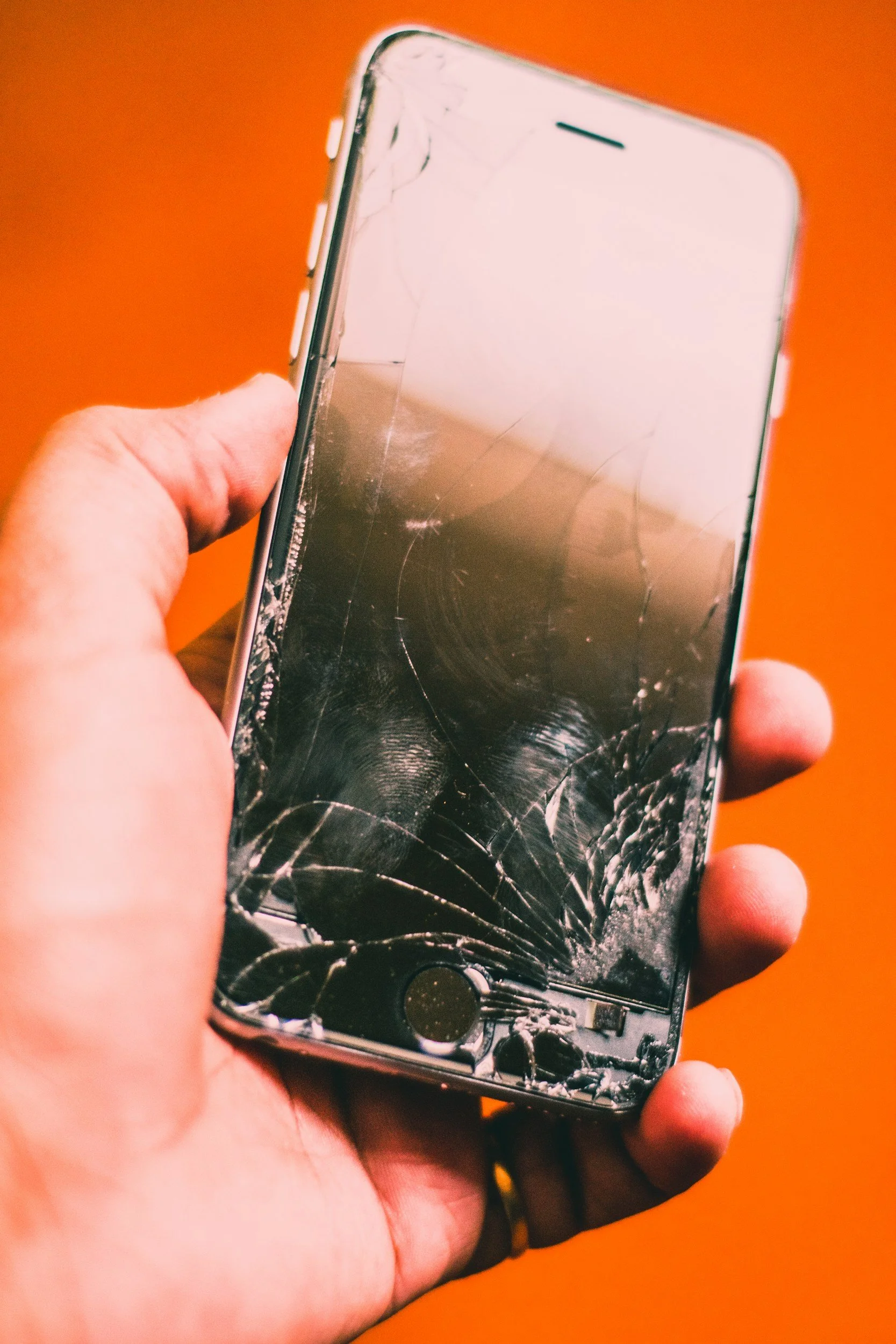
Hand holding phone showing cracked screen, representing trickle truth and repeated disclosures in betrayal trauma

3. "Trickle Truth" Will Hurt More Than the Original Discovery

Most partners experience what we call "trickle truth" — the slow drip of revelations over months or years.

"Oh, and by the way, there was more."

"I forgot to mention..."

"I wasn't going to tell you this..."


Each new revelation resets your trauma clock. Every disclosure feels like the first day all over again.

What to do:

* Request structured disclosure facilitated by a therapist

* Set boundaries around how and when information comes out

* Know that trickle truth is a sign their recovery isn't fully rooted in honesty yet


4. Checking Their Devices Isn't "Controlling" — It's Self-Protection

You might feel guilty for wanting to check phones, computers, or browser histories. Friends or even other therapists may tell you to "just trust them."

But here's the reality: Trust is not a given after betrayal. Trust is rebuilt through transparency.

Checking devices isn't about controlling your partner. It's about protecting your nervous system. When you live in a state of hypervigilance, the only way to calm your brain's alarm system is evidence — proof that, right now, in this moment, things are as they seem.

If your partner pushes back on transparency, that's important data. Accountability software, open phone policies, and location sharing (when mutually agreed upon) are standard in recovery — not punishment, but safety measures.


5. You Are Allowed to Grieve Someone Who Is Still Alive

One of the most confusing aspects of betrayal trauma is the grief.

You might think, "They're still here. We're still in the same house. Why am I mourning?"

But you're not mourning the person sitting across from you. You're mourning the person you thought they were. You're grieving the relationship you believed you had. You're lamenting the future you envisioned that may never come to pass.

This is called ambiguous loss, and it's a core component of betrayal trauma. Your grief is real, even if it doesn't fit the traditional "death" model. [Learn more about grief counseling and processing this type of loss.](/grief-counseling)


6. "Forgiving and Forgetting" Is Not a Healing Strategy

Well-meaning friends, family, or religious leaders may push you toward quick forgiveness. "If you really loved them, you'd forgive." "True forgiveness means putting it behind you."

Let me be direct: rushing forgiveness is a form of bypassing trauma.

Forgiveness is not the goal of early recovery. Stabilization is. Safety is. Truth-telling is. Your healing is.

Forgiveness — if it comes — emerges naturally after a long process of grieving, processing, and witnessing sustained behavioral change. It cannot be forced. It should never be demanded. And it is absolutely not a prerequisite for healing.

If you're considering whether to stay or go, [couples therapy after infidelity](/couples-therapy-infidelity) can help you gain clarity — but only after you've stabilized individually.


7. You Can Heal — Even If They Don't

This is perhaps the most important thing I can tell you: your healing does not depend on your partner's recovery.

You can process the trauma. You can rebuild your self-worth. You can learn to regulate your nervous system. You can make empowered decisions about your future. All of this is possible whether your partner gets sober, relapses, or never acknowledges the problem at all.

Your life is not over. Your story isn't finished. You are not permanently broken.


What to Do Right Now

If you're in the early days, weeks, or months after discovery:

1. Breathe. You're in shock. Everything feels urgent, but the only urgent thing right now is your safety.

2. Don't make major decisions yet. Give yourself time to stabilize before deciding whether to stay, leave, or renegotiate the relationship.

3. Find a specialist. Look for an APSATS-certified partner specialist who understands betrayal trauma — not just addiction. [Explore partner support services here.](/sex-addiction-partner-support)

4. **Download the toolkit.** Grab my free [Betrayal Trauma Recovery Toolkit](/resources) for practical tools to manage acute symptoms.

5. **Listen to the podcast.** [Rise Up Restored](/podcast) offers 5-minute episodes answering common questions about exactly what you're going through.


You Don't Have to Do This Alone

Woman walking a path with warm light ahead, seen from behind

Being the partner of someone with sex addiction or compulsive sexual behavior is isolating. The shame, the secrecy, the feeling that no one understands — it's overwhelming.

But you are not alone. Specialized help exists. Healing is real. And you deserve both.

I'm Becky Ruff, an APSATS-certified partner specialist serving women, couples, and all adults in Utah and Idaho. Whether you're in the first 24 hours or years into this journey, I'm here.


Schedule your free 15-minute consultation


Related Reading:

* What Is Betrayal Trauma? (And Why It Feels Like Losing Your Mind)


Frequently Asked Questions About Being the Partner of Someone With Sex Addiction


Is my partner's sex addiction my fault?

No. Your partner's compulsive sexual behavior is not caused by your appearance, your sex life, or anything you "failed" to provide. Addiction functions as an escape mechanism — from uncomfortable feelings, unresolved trauma, or shame — that develops independently of the relationship. You did not cause it, and you cannot cure it.


Can I heal even if my partner never enters recovery?

Yes. As an APSATS-certified partner specialist, I treat the betrayed partner's trauma as its own clinical issue, completely independent of the addicted partner's treatment. Stabilization, grief processing, and rebuilding self-worth are all possible whether your partner gets sober, relapses, or never acknowledges the problem.


What should I do in the first days after discovering my partner's sex addiction?

Prioritize safety and stabilization: don't make major relationship decisions, don't demand an unstructured full disclosure, find one safe person to tell, and schedule a consultation with a partner specialist trained in betrayal trauma.


How do I find a therapist who understands betrayal trauma?

Look for an APSATS-certified partner specialist (CCPS) — a therapist with advanced training in the partner trauma model, nervous system regulation, and betrayal-specific care, rather than general couples counseling.